BLOOD PRESSURE
Blood pressure is a measure of how hard your heart has to work to pump blood around your body.
Blood pressure is measured with two numbers, systolic pressure and diastolic pressure. It is measured in units of millimetres of mercury (mmHg) and is usually written like this:
120/80mmHg
The first, higher number is systolic pressure and is the force at which your heart pumps blood around your body. The second, lower number is the diastolic pressure and is the resistance of your blood vessels to the flow of blood.
In general, a normal blood pressure is between 90/60mmHg and 120/80mmHg.
HIGH BLOOD PRESSURE (HYPERTENSION)
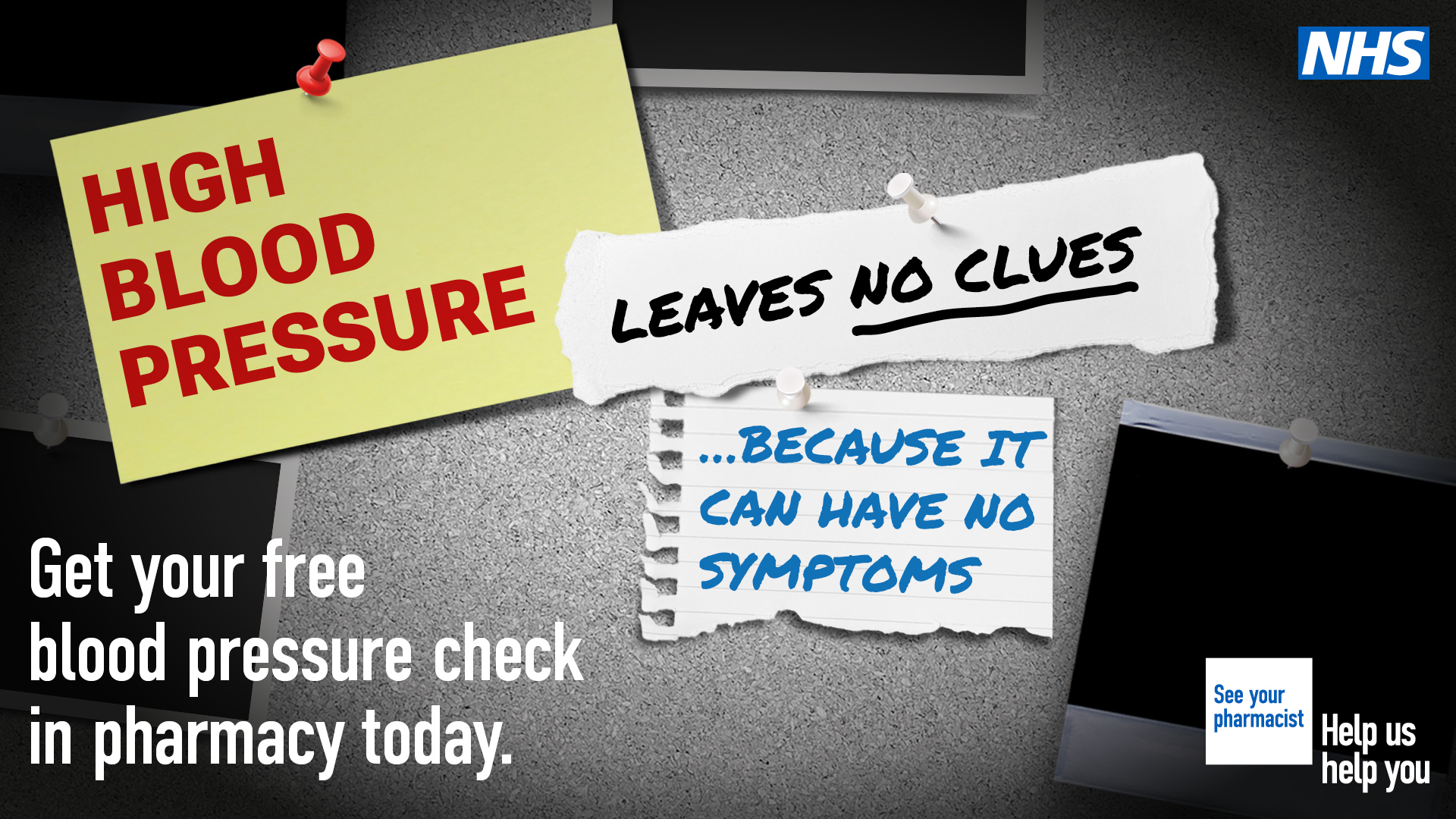
High blood pressure, or hypertension, rarely has symptoms but is a leading cause of heart disease and complications such as stroke and heart attacks. About a third of adults in the UK have high blood pressure, and many do not realise. The only way to find out is through blood pressure measurement.
High blood pressure is considered to be over 140/90mmHg (or 150/90mmHg if you are over 80 years old).
Adults aged over 40 are advised to have a blood pressure check every 5 years. A blood pressure between 120/80mmHg and 140/90mmHg means you are at risk of developing high blood pressure if you do not take steps to keep your blood pressure under control.
High blood pressure puts strain on your heart and blood vessels, and can damage other organs such as eyes, kidneys and brain. If uncontrolled, high blood pressure can lead to diseases and life-threatening conditions such as heart disease, heart attack, stroke, aortic aneurisms, kidney disease, and vascular dementia.
You are more at risk of high blood pressure if you:
- Are overweight
- Smoke
- Drink too much caffeine or alcohol
- Eat too much salt and not enough fruit and vegetables
- Do not exercise enough
- Are over 65
- Have a relative with high blood pressure
- Are of black African or Caribbean descent
Certain underlying health conditions also increase your risk of high blood pressure, such as kidney disease, diabetes, or hormone problems (such as under or overactive thyroid, Cushing’s disease, acromegaly). Medication such as contraceptive pills, steroids, NSAIDs (such as ibuprofen, naproxen) decongestants, some antidepressants, and recreational drugs like cocaine or amphetamines. You should not stop taking prescribed medication without consulting your doctor first.
Lifestyle changes, including cutting back on alcohol, losing weight if you are overweight, stopping smoking, cutting back on caffeine, regular exercise and reducing the amount of salt and eating a healthy diet may help reduce your risk of high blood pressure and heart disease in general.
Some people may require blood pressure medication to keep their blood pressure under control, in addition to lifestyle changes.
LOW BLOOD PRESSURE (HYPOTENSION)
Low blood pressure, called hypotension, is a blood pressure less than 90/60mmHg. It does not always cause symptoms, but can give people symptoms like dizziness or light-headedness, nausea, blurred vision, confusion and fainting.
If these symptoms happen when standing up or changing position, it may be postural hypotension.
Sometimes, low blood pressure is a side effect of medicines, or caused by medical conditions or pregnancy. It can also occur in people who are fit and healthy.
If a cause is found, treatment can involve changing any medicines which may cause the symptoms, or wearing compression stockings to improve blood flow.
Other ways to manage low blood pressure include getting up from bed or seats slowly, increasing fluid intake, and eating regular small meals, whilst avoiding standing up too quickly and reducing alcohol consumption.
BLOOD PRESSURE CHECK SERVICES
Getting your blood pressure checked is easy and can save your life.
- HOME BLOOD PRESSURE MONITORING – machines are available to purchase from the pharmacy from about £20. You should use properly tested (clinically validated) machine that tests your blood pressure at your upper arm. A list of clinically validated home blood pressure monitors is available here: https://bihsoc.org/bp-monitors/for-home-use/
- SELF SERVICE BLOOD PRESSURE CHECK – You can get a blood pressure reading using a machine in the pharmacy (the same as in GP waiting rooms). This gives you a print out of your blood pressure and pulse rate. There is a charge of £1 to use this machine.
- NHS COMMUNITY PHARMACY BLOOD PRESSURE CHECK SERVICE – If you are aged 40 or over, or you have a risk of high blood pressure (because of family history or being overweight) you can get a FREE blood pressure check in the pharmacy. Depending on your results, your pharmacist may suggest you wear a blood pressure monitor for 24 hours to get an accurate reading of your blood pressure changes thorough the day and refer you to your GP for an appointment.
- GP REFERRAL – Your GP may tell you to get your blood pressure checked, for example as part of their monitoring for a medical condition or a medication you take. Your pharmacist will be happy to take readings for you for free or advise you on buying a machine for home use.
For more information, and to get a blood pressure check, please speak to a pharmacist at A R PHARMACY.
For more information, please visit the Blood Pressure UK website
View the NHS website to find out more